Daily Routines
How Long Does Sea Moss Gel Last? Storage, Fridge Life and Spoilage Signs
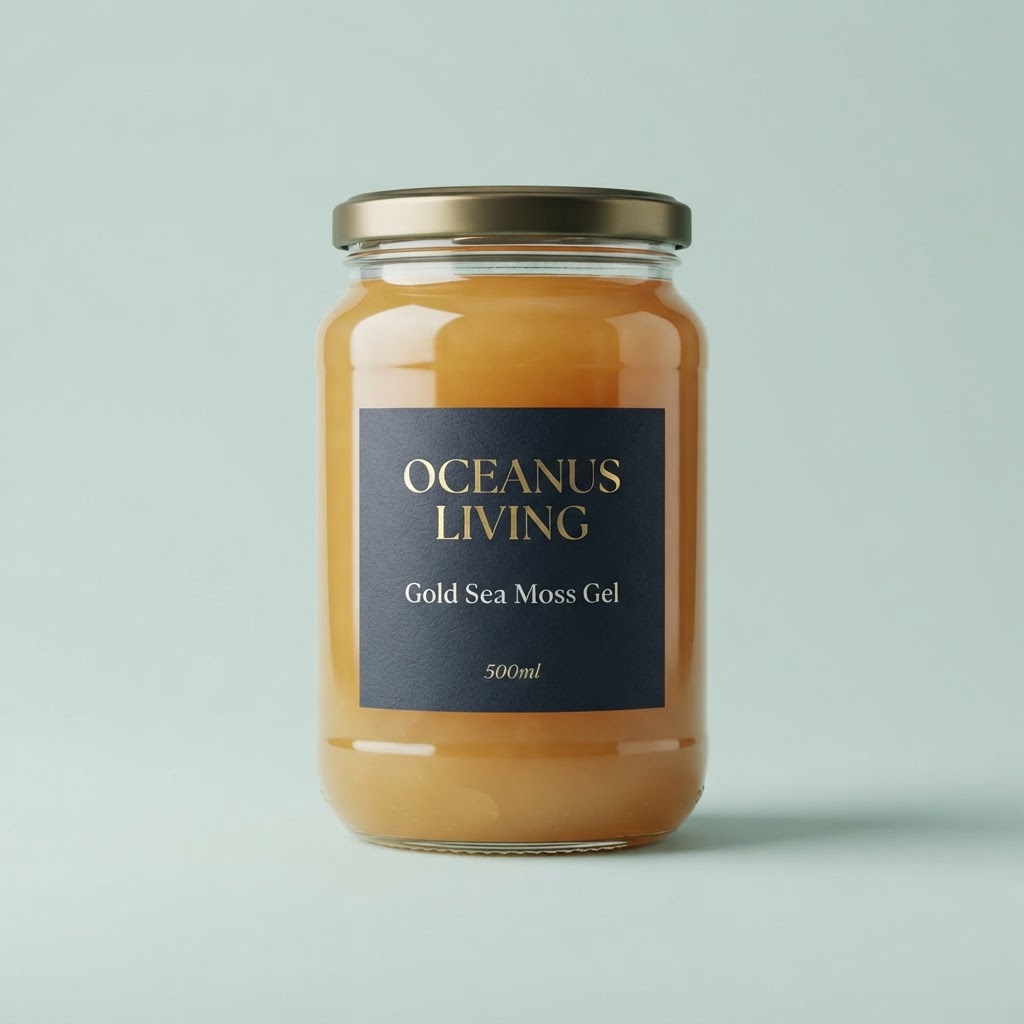
Fresh gel is a chilled food with no preservatives. How long a jar keeps, how to freeze it in portions, and exactly what it smells and looks like when it has turned.
In this article
How long does sea moss gel last? For fresh gel with no preservatives, the honest answer is: days to a couple of weeks in the fridge, months in the freezer, and always according to the use-by date printed on your jar rather than a number you read online. This guide explains what determines that window, how to freeze gel properly, and exactly what a jar looks and smells like when it has turned.
Fresh gel versus preserved gel
Two very different products get sold under the same name, and their shelf lives are not comparable.
Fresh gel is sea moss soaked, blended with water and jarred, with nothing added to extend its life. Ours is [SPECIES] grown on lines in St Lucia, sun-dried on the island, then prepared and batch-tested in Kent, and blended with spring water, lemon, lime and cinnamon. It is a chilled food, in the same category as fresh soup or a fresh smoothie, so it needs refrigeration and carries a short use-by date.
Shelf-stable gel sits in a cupboard for months or years. That is achievable in two ways: preservatives, or heat treatment that pasteurises the jar. Neither is sinister, but neither is "fresh" either — if a gel keeps at room temperature, turn the jar round and read the ingredients to find out which method is being used.
If a brand claims a room-temperature product is both preservative-free and long-lasting with no explanation, that is worth questioning.
Fridge life once opened
Your jar has a use-by date and after-opening guidance on the label. Those are the numbers that apply to the batch in your hand, and they take precedence over anything general.
What actually shortens that window is contamination, and it is almost always the spoon. Every time you dip in, you either keep the jar clean or you introduce bacteria and yeast from your mouth, a wet spoon or the worktop. So:
- Use a clean, dry spoon each time. Not a licked one, not a damp one from the drainer.
- Serve and return it quickly. Leaving the jar out on the counter through breakfast costs you days.
- Store it in the body of the fridge, not the door — door shelves swing several degrees every time the fridge opens.
- Keep the lid sealed properly. A loose lid dries the surface and invites everything else in the fridge in.
- Do not decant into a used container. If you split a jar, use something scrupulously clean.
A jar treated well will comfortably reach its stated date. A jar dipped into with whatever spoon is nearest may not.
Freezing gel in portions
Freezing is the single best thing you can do with a jar you will not finish, and gel takes to it well.
The method:
- Spoon the gel into an ice-cube tray, roughly one serving per compartment, or two half-servings if your tray is small.
- Freeze until solid.
- Turn the cubes out into a freezer bag or tub, labelled with the date you froze them.
To use, either thaw a cube in the fridge overnight in a covered dish, or drop it straight into a blender with your smoothie ingredients — from frozen, it behaves like an ice cube and needs no planning at all.
Two things to know. Thawed gel can be slightly looser or a little separated compared with fresh; stir it and it comes back together, and in a smoothie you will never notice. And do not refreeze what you have thawed. Freeze on the day the jar arrives, or in the first day or two, rather than after it has already sat in the fridge for a week — you are pausing freshness, not restoring it.
A serving is 2 tablespoons (30g) a day, and a 500ml jar holds roughly [CHECK] servings, so a tray of cubes maps neatly onto [CHECK] days.
Signs it has turned
Trust your nose and eyes, and when in doubt throw it out. Do not taste a jar to test it.
Smell. Fresh gel smells clean and mildly of the sea, with citrus and a hint of cinnamon in ours. A sour, yeasty, fermented or alcoholic smell means it has gone.
Fizzing or bubbling. Any sign of gas — bubbles rising, a hiss or pressure when you open the lid, a domed lid — is fermentation. Bin it.
Surface. Any mould at all, in any colour, including a single spot or a fuzzy patch at the rim, means the whole jar goes. You cannot scoop mould out of a moist food; what you can see is not the full extent of it.
Colour. A distinct darkening, greying or patchy discolouration is a warning. Slight variation between batches is normal — moss is a natural product — but a change within one jar over time is not.
Texture. Watery liquid pooling that will not stir back in, a slimy or stringy quality beyond the normal gel texture, or a jar that has gone thin and separated, all point the same way.
If a jar goes wrong before its use-by date, take a photo and tell us with your batch number. That is information we want.
Why we ship the way we do
Because gel is chilled and fresh, the journey matters as much as the fridge.
We prepare and jar in Kent and dispatch quickly rather than holding finished stock, so a jar reaches you with as much of its life left as possible. Orders are packed for the trip [CHECK — insulation and ice pack detail], and we aim dispatch early in the week so nothing sits in a depot over a weekend.
Put the jar in the fridge as soon as it arrives. If a delivery turns up warm, or with a compromised seal, or with an unexpectedly short remaining date, contact us with the batch number — do not use it and hope.
How subscriptions avoid the waste problem
The most common complaint about fresh gel is not taste, it is timing: you finish a jar, forget to reorder, take a few weeks off, then start again. Or the opposite — you buy three jars to save on delivery, and the third one expires.
A monthly subscription solves both. One jar arrives when the last one is running out, so the gel in your fridge is always current, delivery is free, and it is 10% cheaper than buying jars one at a time — £22.50 rather than £25. You can pause, skip a delivery or cancel yourself at any time through the customer portal without emailing anyone, which matters if you are going away and would rather not have a chilled parcel sitting outside your door.
If your usage is closer to one jar every six weeks, skip a month rather than stockpiling; if you get through it faster, freeze half of each jar on arrival. Full details are on our subscriptions page.
For the practical side — measuring, what to stir it into and when to take it — see our guide on how to use sea moss gel. And if you are ready for a jar, here is the 500ml sea moss gel, with the batch number and use-by date printed on every one.
Oceanus Living
St Lucia Sea Moss Gel, 500ml
Two tablespoons a day, straight from the jar. Free UK delivery over £40.
View the gelFrequently Asked Questions
Related
[FOUNDER NAME]
Written and reviewed by the Oceanus Living team for accuracy and UK compliance.
Last updated 25 August 2026
This article is for general information only and is not medical advice. Food supplements should not replace a varied, balanced diet and healthy lifestyle. Oceanus Living products are not intended to diagnose, treat, cure or prevent any disease or condition. If you are pregnant, breastfeeding, taking medication, have a thyroid condition, or are considering use for a child, speak to a qualified healthcare professional first.